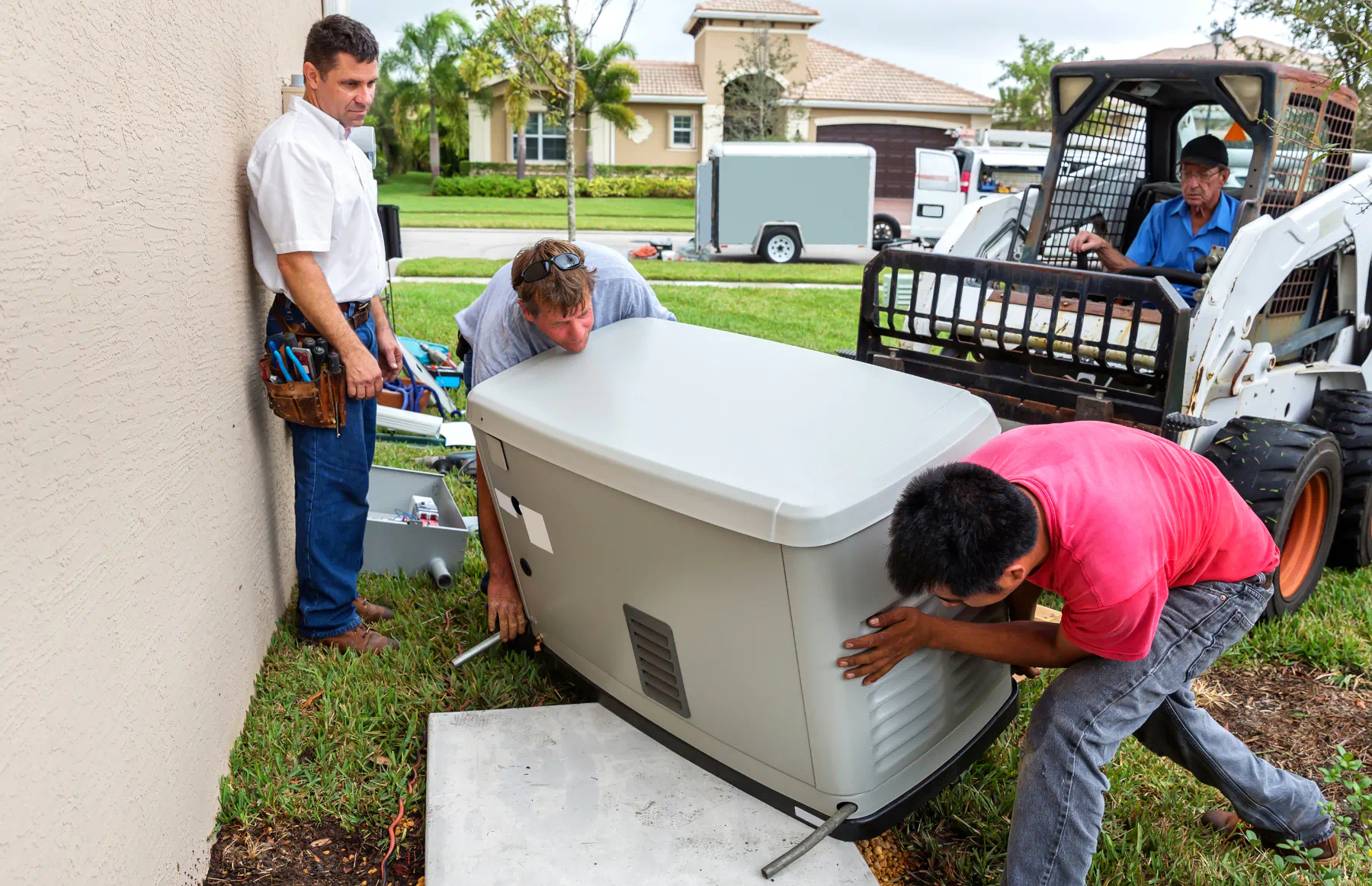
Why Install a Generator at Home
Installing a generator gives you steady power during blackouts. When the grid goes down, your HVAC, fridge, lights, and key appliances stay on.
Across Oklahoma, many homeowners choose residential backup generator installation to handle unpredictable weather and power interruptions. A properly installed unit provides safety, comfort, and convenience during outages.
If you want a reliable system, check out our backup power solutions page for professional setup options.
Step 1: Choose the Right Type of Generator
Before learning how to install a generator, decide what kind suits your needs and budget. There are two main options: portable or standby generators.
Portable Generators
Portable units are budget-friendly and ideal for small to medium needs. They’re easy to move and can power essentials like lights and refrigerators. For safe portable generator installation, always place the unit outdoors, keep it dry, and use a transfer switch to prevent hazards.
Standby Generators (Residential Backup Systems)
Standby systems are permanently installed outside your home. During residential backup generator installation, the unit connects to your main electrical panel and starts automatically during an outage. These systems power your entire home or chosen circuits without manual setup.
Step 2: Plan Your Generator Installation
Every safe generator installation process begins with good planning.
Calculate Your Power Needs
Make a list of what you want to power, refrigerators, sump pumps, HVAC, lights, and note their wattage. Add up the total to pick a generator that can handle your load.
If you’re building or remodeling, consider new construction electrical projects to ensure your property’s wiring supports future generator use.
Select the Best Location
The generator should sit on a flat, sturdy surface like concrete or gravel. Keep it at least 5 feet from doors and windows for proper ventilation.
A key generator installation guide reminder: never place the unit in a garage or enclosed area. Carbon monoxide buildup is deadly, so keep airflow open and clear.
Step 3: Install the Transfer Switch
A transfer switch connects your generator to your home safely. It prevents power from flowing back into the grid, which could cause fires or injuries.
When learning how to wire a generator to home, know there are two switch types:
- Manual transfer switch: You flip it yourself when power goes out. Common for portable generator installation.
- Automatic transfer switch (ATS): Detects outages and switches power automatically. Used in residential backup generator installation.
Connecting this switch should always be handled by a licensed electrician to meet code and inspection standards. For related upgrades, visit electrical panel upgrades.
Step 4: Connect the Fuel Source
Generators run on various fuels, like gasoline, propane, or natural gas. Choose one that suits your setup.
- Portable units often use gasoline or small propane tanks.
- Standby systems connect to large propane tanks or natural gas lines for consistent operation.
Always check for leaks, shut off fuel supplies before connecting lines, and follow your generator installation guide for safety.
Step 5: Wire the Generator to Your Home
The wiring process depends on your generator type.
For Portable Generators
- Plug your generator into a manual transfer switch using a heavy-duty, outdoor-rated extension cord or inlet box.
- Start the generator and switch the power source from utility to generator.
- Run only circuits your generator can handle to avoid overload.
For Standby Generators
If you’re doing residential backup generator installation, the wiring connects directly through an ATS. When power goes out, the system starts automatically and routes power to your home safely.
Even if you’re confident in DIY generator installation, always have a licensed electrician review your connections before activation. Safety comes first.
Step 6: Test and Inspect the System
Once everything is connected, run a full test.
- Turn off your main breaker to simulate a power outage.
- Start the generator and observe whether the switch engages properly.
- Check lights, appliances, and HVAC systems for smooth operation.
- Listen for unusual noises or vibration.
Testing ensures your generator installation process is safe, effective, and ready for real-world use.
Step 7: Maintain Your Generator
Maintenance keeps your generator ready for emergencies. Here’s a checklist:
- Check oil after every 25 hours of use; replace it regularly.
- Clean or replace air filters.
- Stabilize fuel or run it periodically to avoid clogs.
- Test the generator monthly for 15–20 minutes.
Following this schedule reduces failures and extends your system’s lifespan.
Generator Installation Tips for Homeowners
Here are key generator installation tips for homeowners to keep your system safe:
- Always operate the generator outdoors with proper ventilation.
- Use a transfer switch; never backfeed power through outlets.
- Install a carbon monoxide detector near sleeping areas.
- Label essential circuits to manage load easily.
- Follow the generator installation guide and manufacturer’s manual carefully.
- Schedule annual inspections by a professional electrician.
Common Mistakes to Avoid
- Ignoring local permits and inspections.
- Placing the generator too close to windows or doors.
- Overloading circuits with too many appliances.
- Skipping maintenance checks.
Avoiding these mistakes keeps your setup safe and long-lasting.
Final Thoughts
Learning how to install a generator helps you protect your home from unexpected outages. Whether you’re planning residential backup generator installation or a portable generator installation, proper planning, wiring, and testing make all the difference.
By following this generator installation guide and avoiding common pitfalls, your home will stay powered when the rest of the neighborhood goes dark.
Why Choose Right on Electric
At Right on Electric, we take pride in doing honest, reliable electrical work. With over 15 years of experience, we install generators the right way, safely, efficiently, and up to code. As a Generac Authorized Dealer, we handle home generator installation, transfer switch setup, and ongoing maintenance for lasting performance.
Call (405) 212-5300 today for a free estimate and get dependable power that keeps your home running smoothly during every outage.